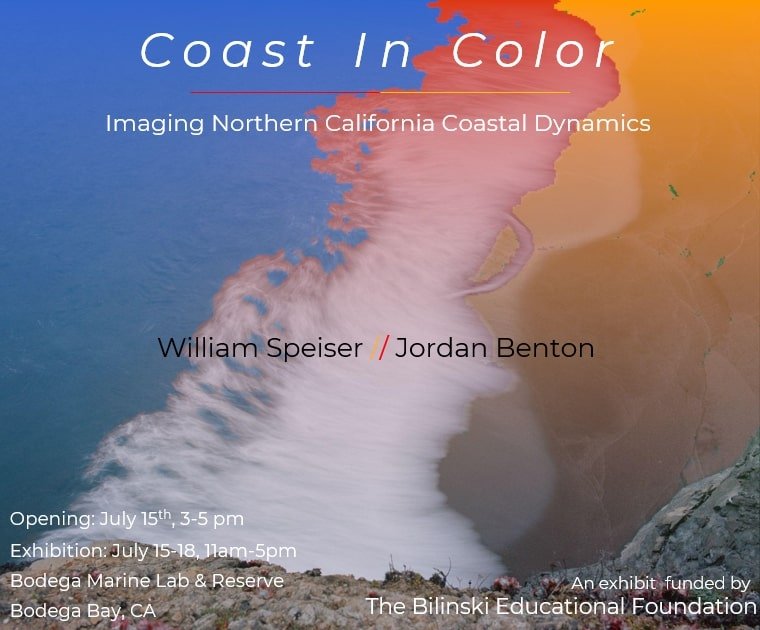

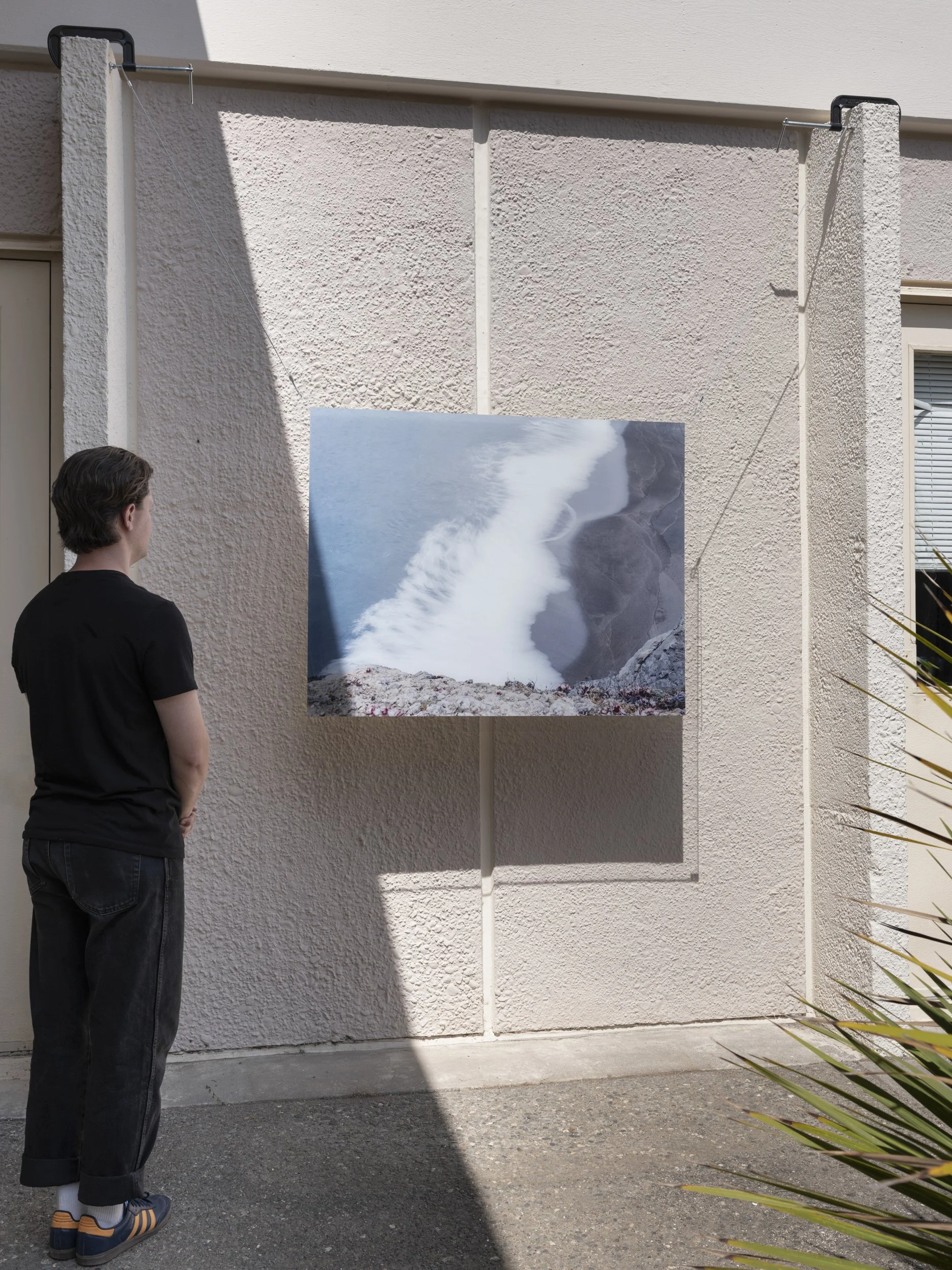
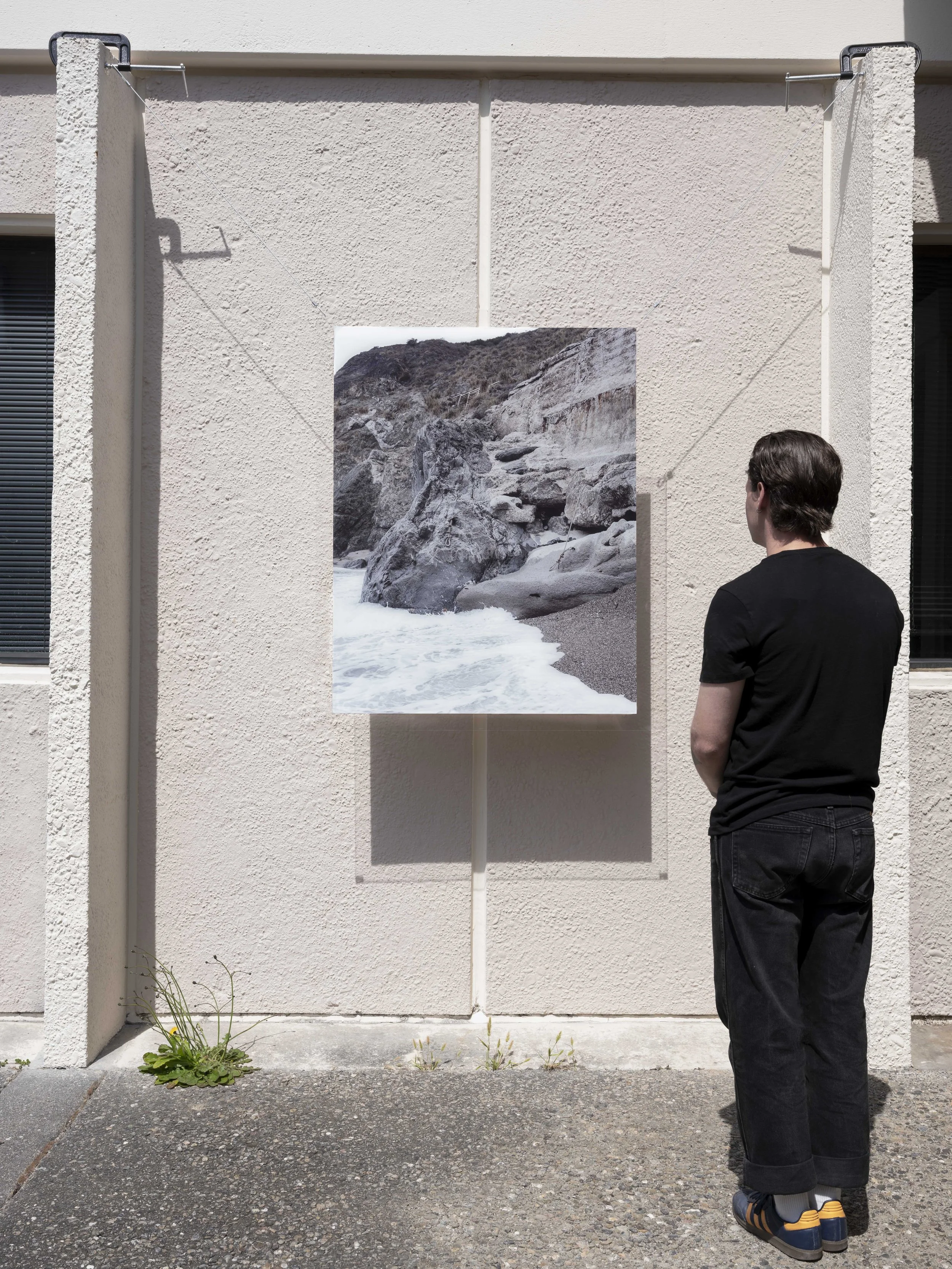
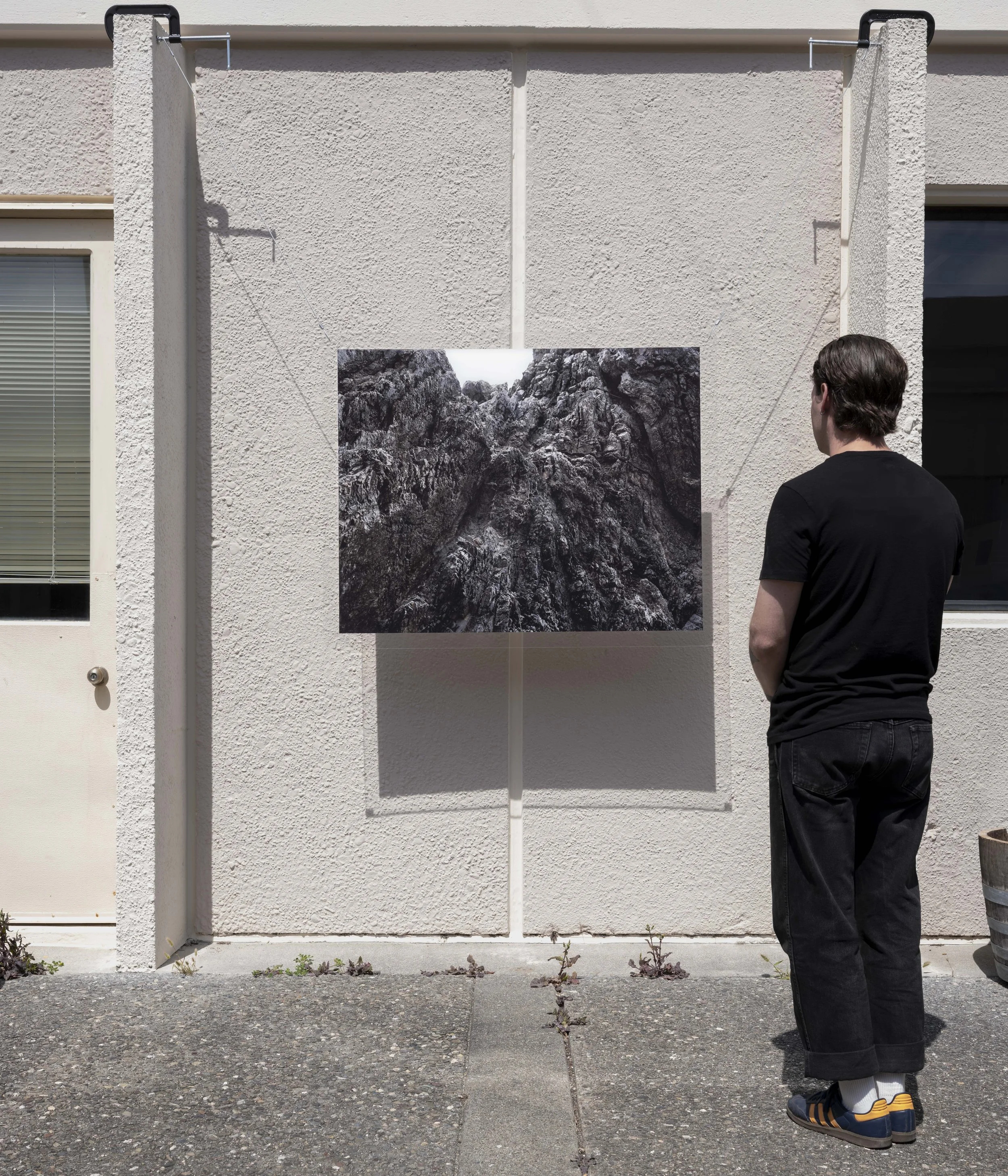
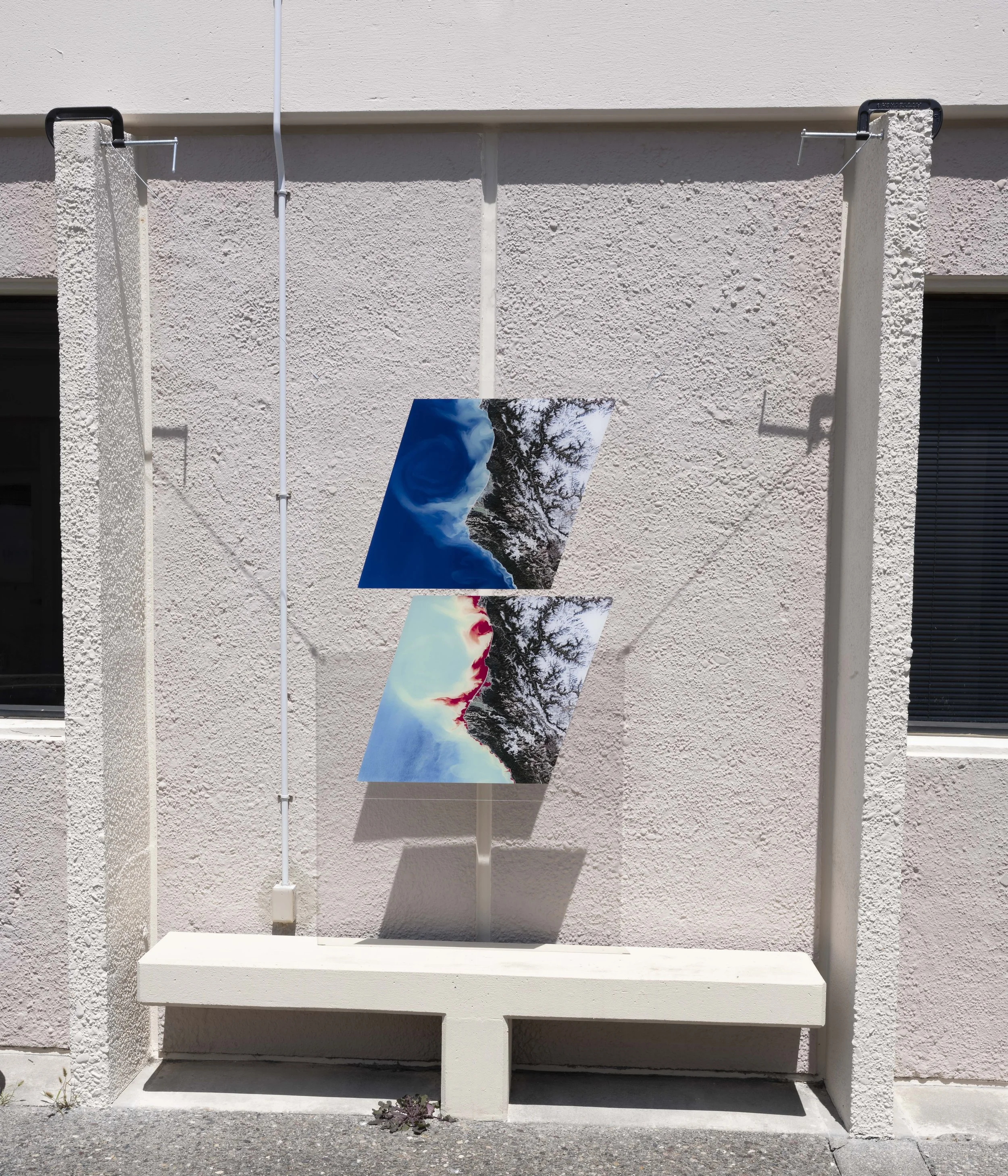
Coast in Color, Imaging Northern California Coastal Dynamics
Jordan Benton, William Speiser
July 15 - 18, 2023
Russel J. and Dorothy S. Bilinski Fellowship
Bodega Marine Laboratory
Bodega Bay, CA
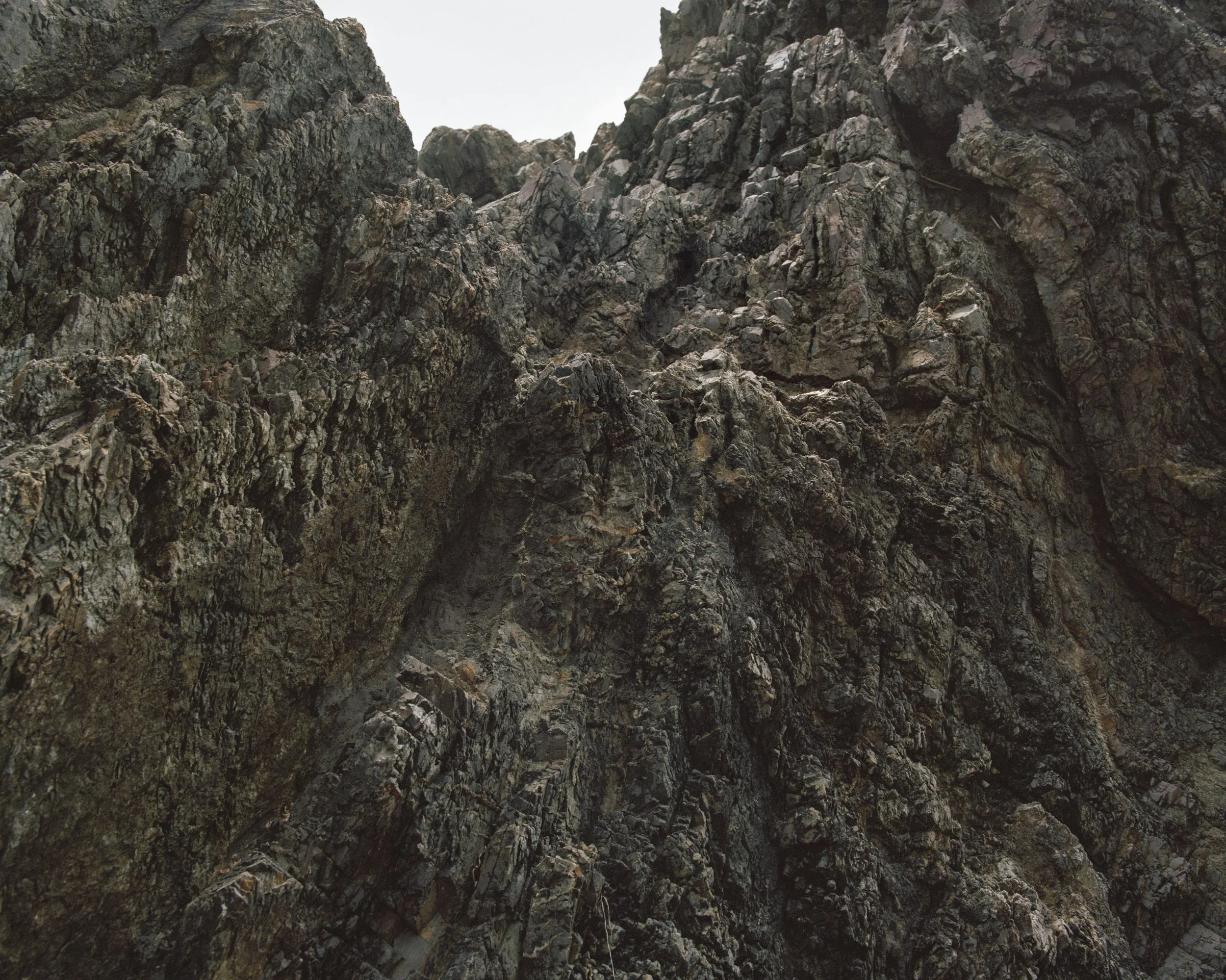
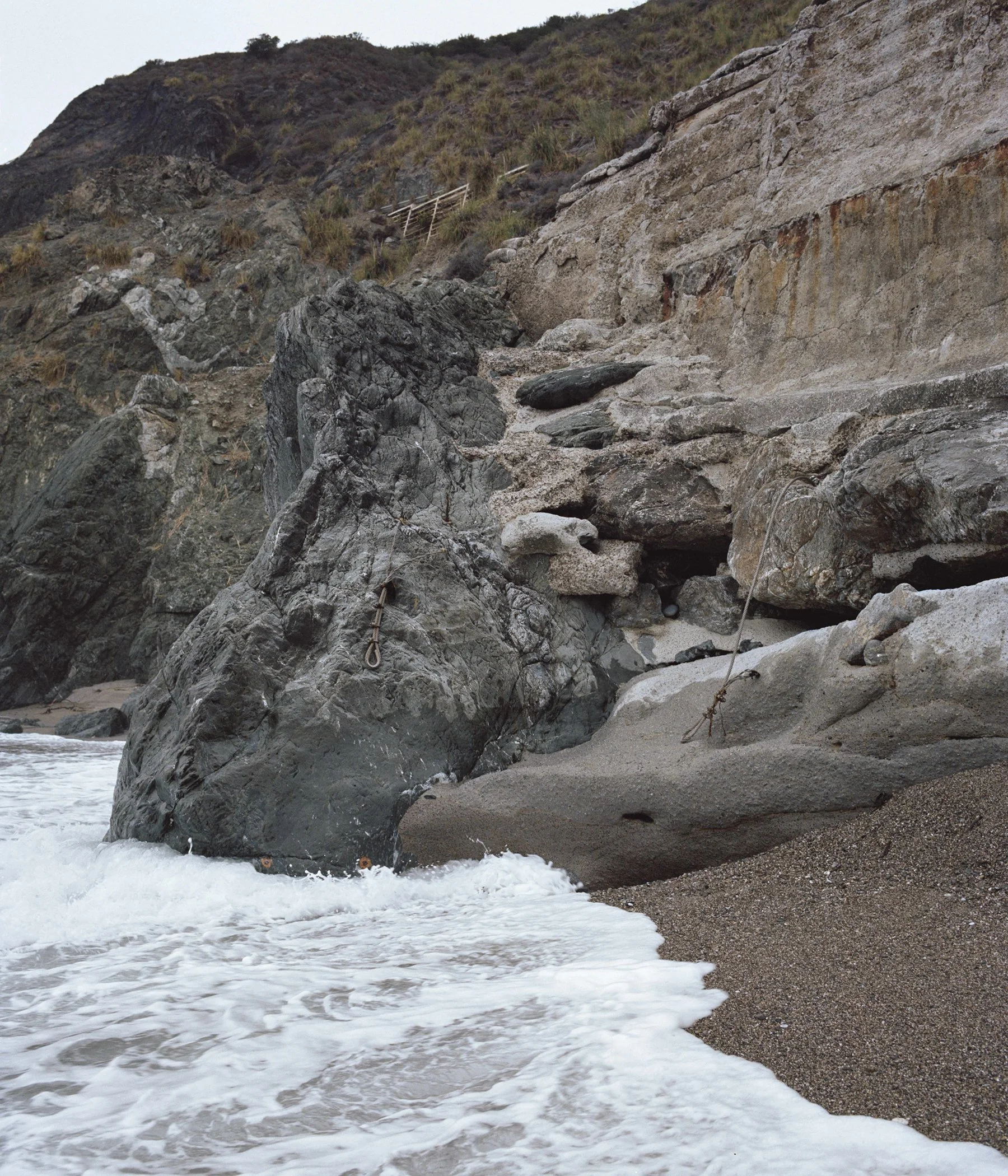
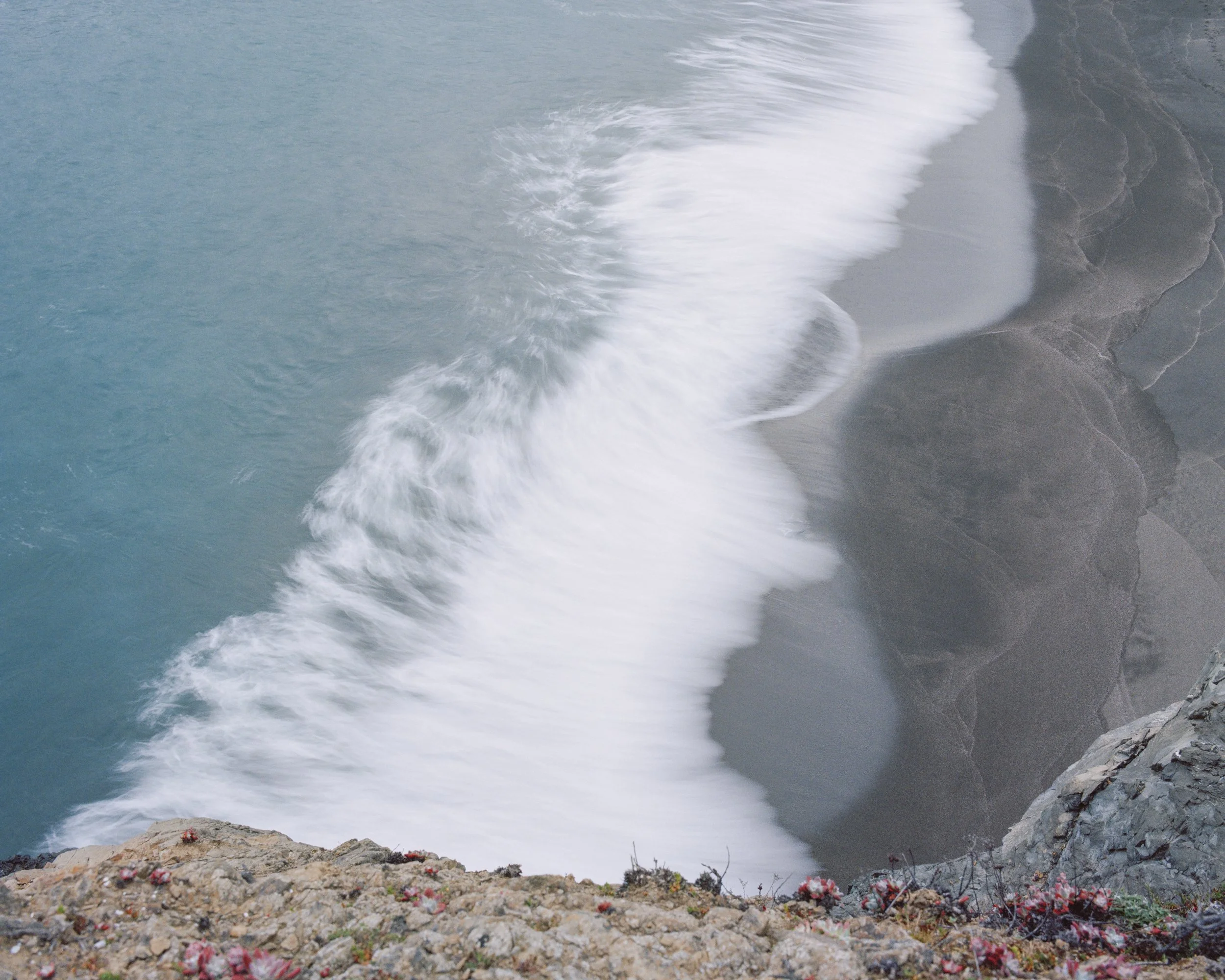
The coast of Northern California is in constant flux. Tectonics shape the coast, lifting the land and creating cliff-fronted, steep-sloped shores. Decadal and yearly storms erode the landscape into sand and mud, carried by waters that rush into the ocean. Summer waves lull these sands ashore to build beaches, wetlands, and estuaries. Sands are pulled back offshore by vigorous winter waves to be stored in offshore sandbars until summer returns. Stormwinds kick up waters onto cliffs and boulders that fall into the sea. Seasonal winds push warmer surface waters offshore to be replaced by cold, nutrient-rich bottom waters – creating one of the most productive coastal ocean systems in the world.
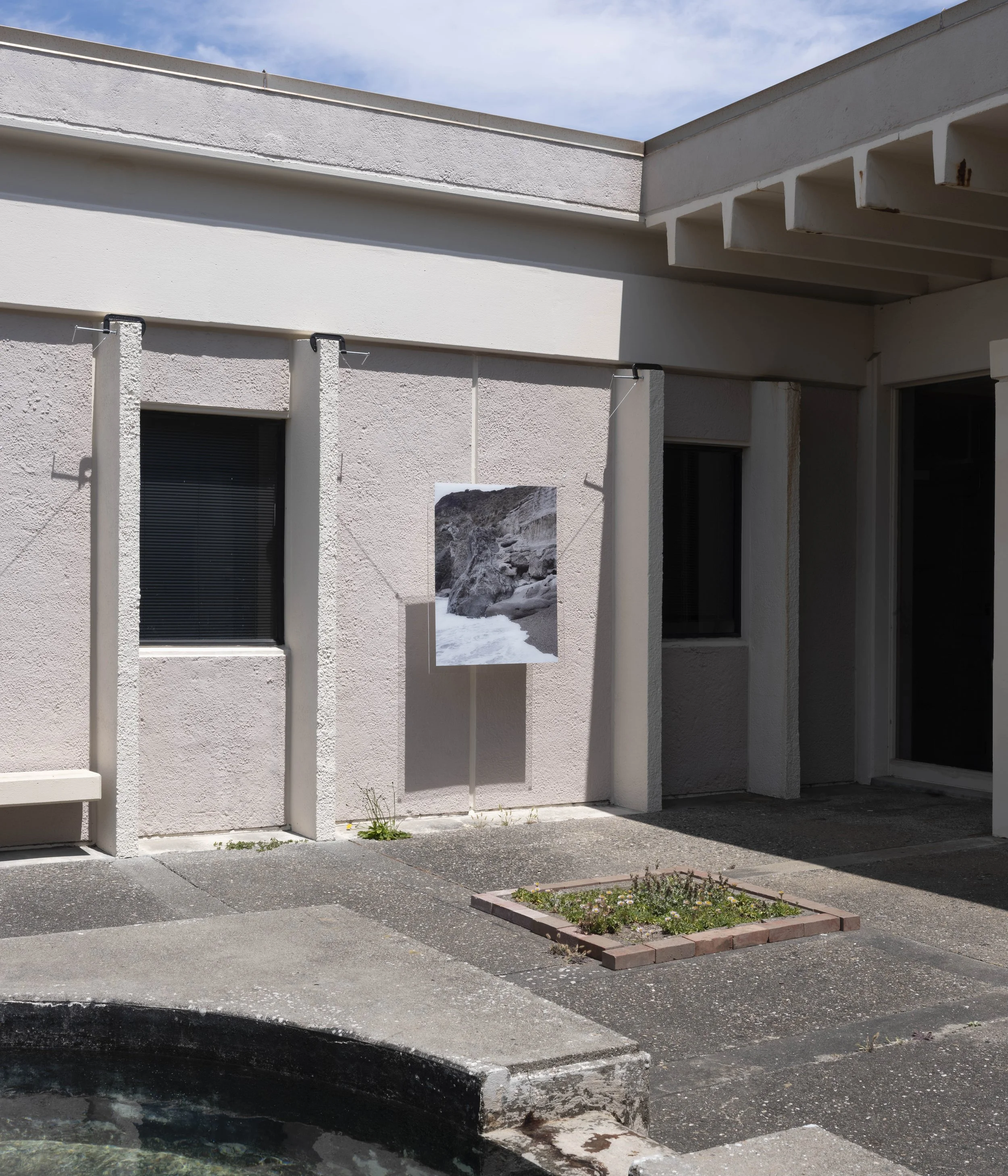
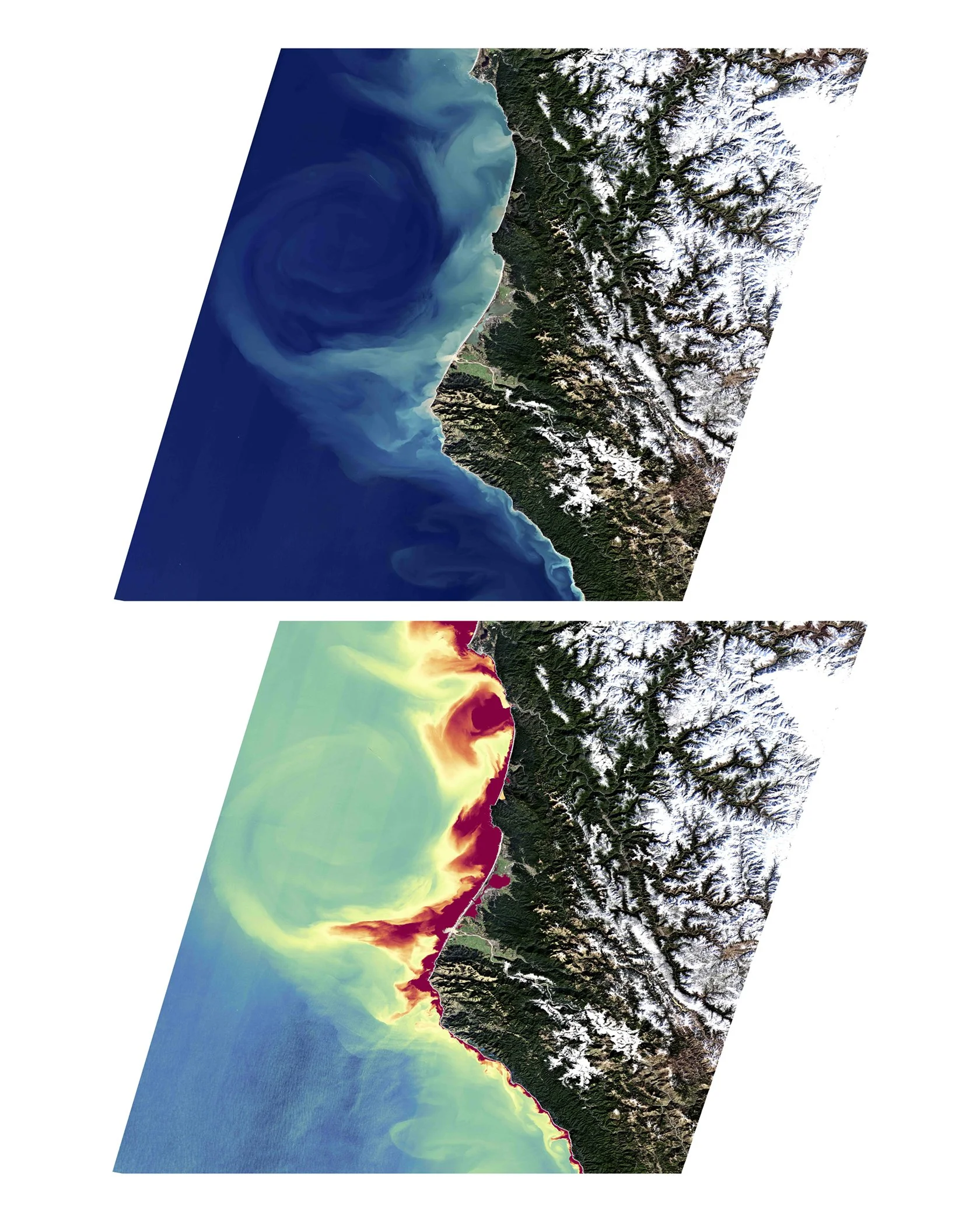
Each of these processes leave unique visual records. Stored in the cracks of cliffs for millions of years; in beach berms that morph with changing seasons; in algal blooms reddening and greening waters from days to weeks; in ephemeral foam lines that slink between moving water masses; in swash climbing up and down the beach with each passing wave; in sandy billows floating in perturbed waters for moments.
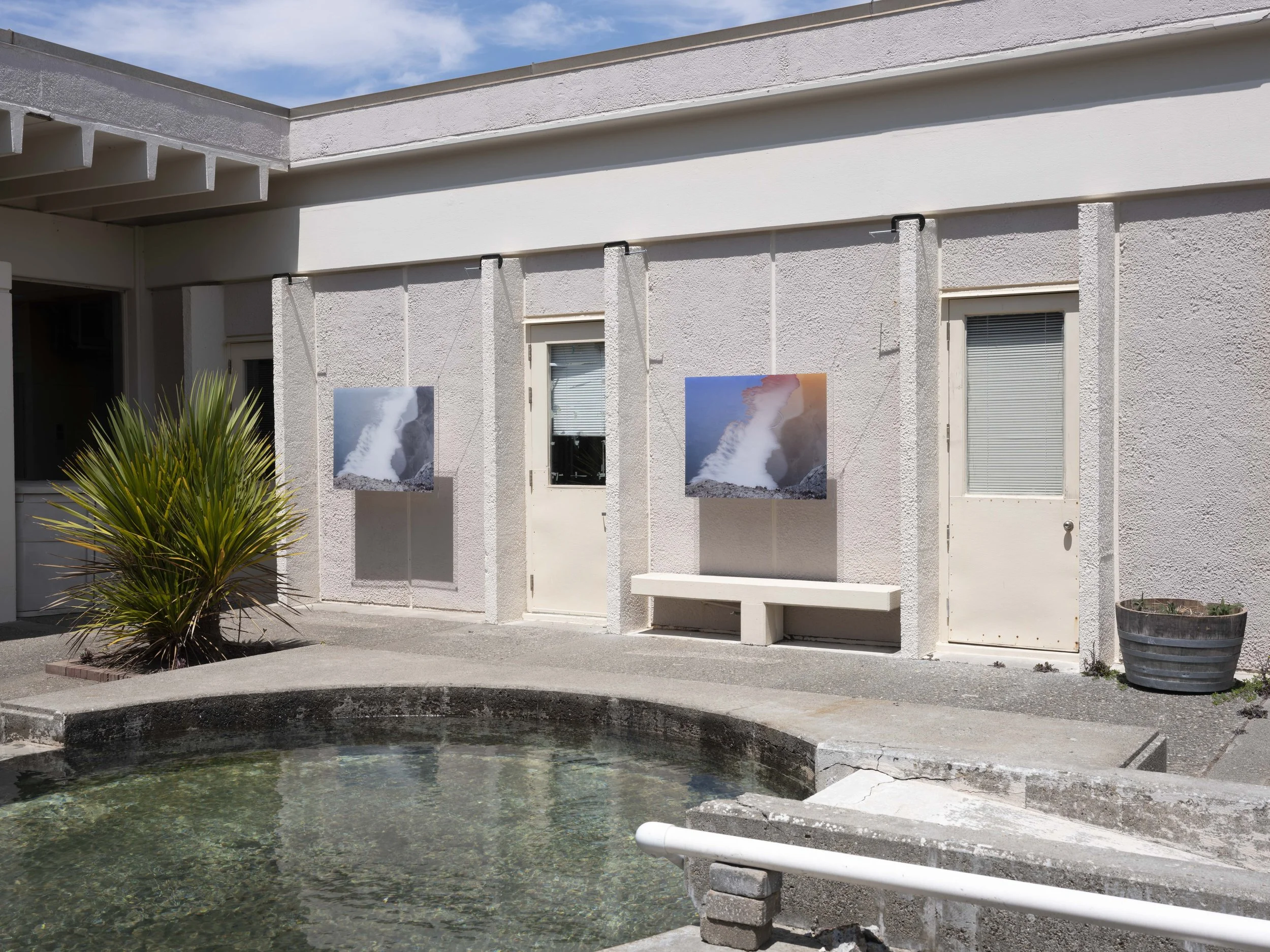
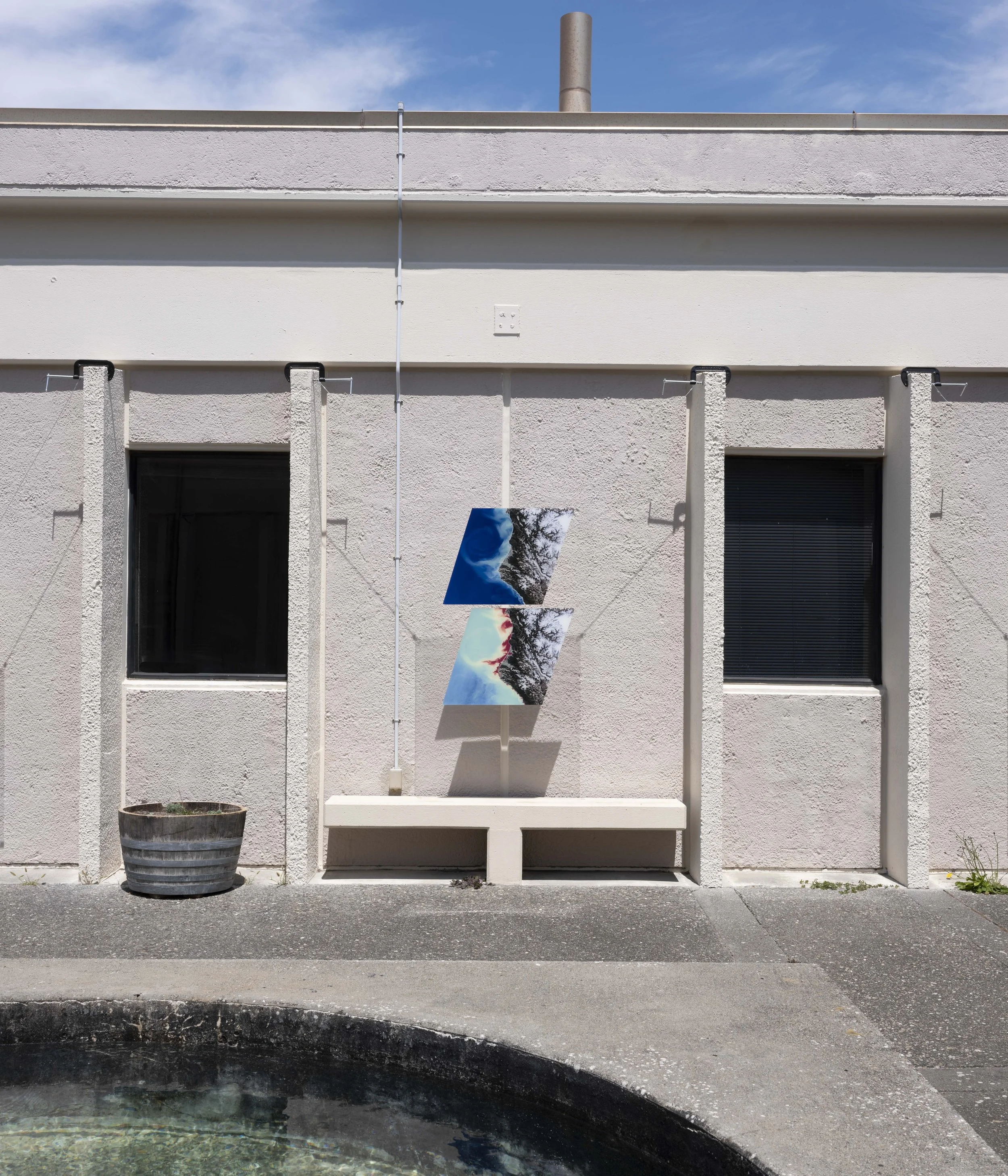
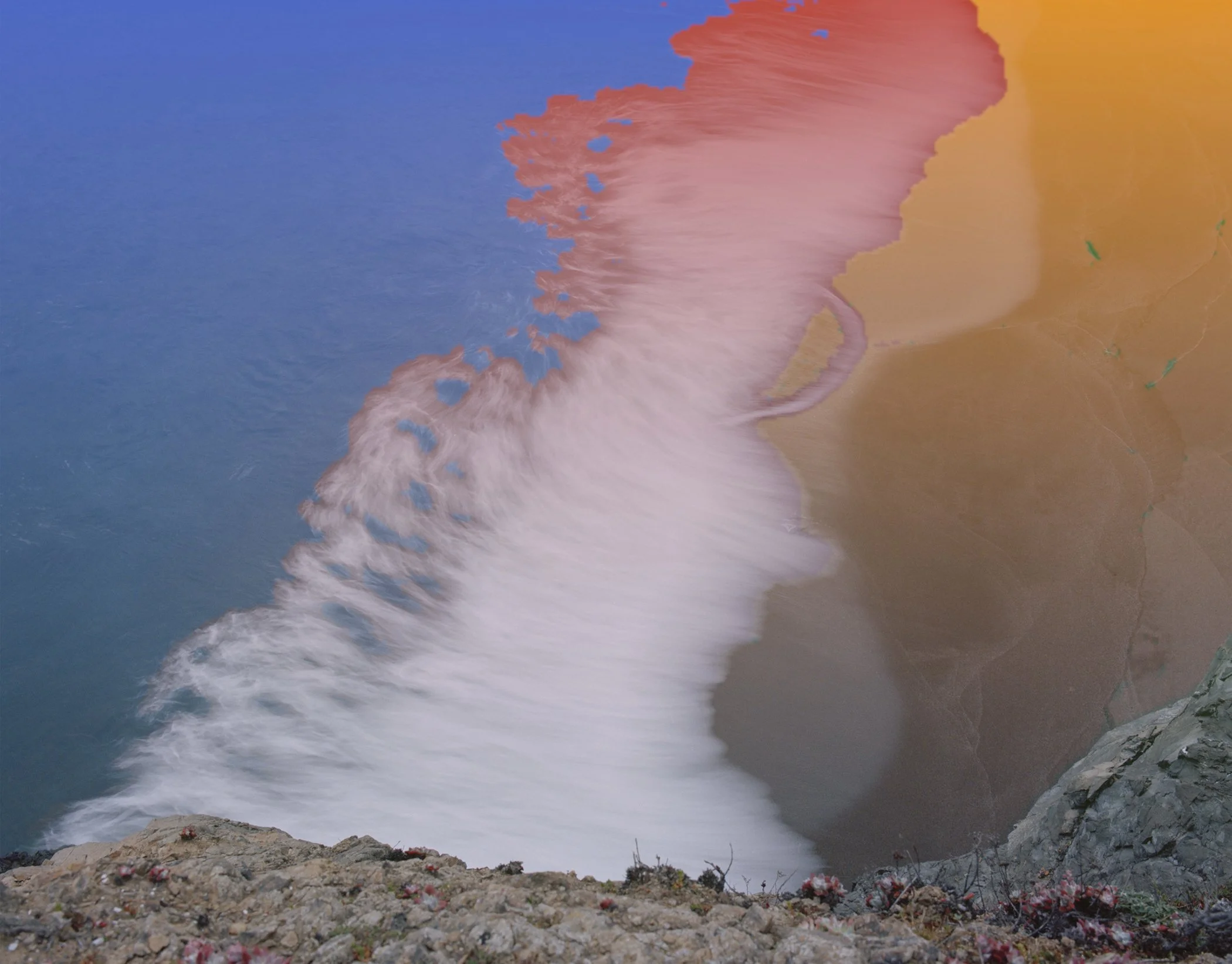
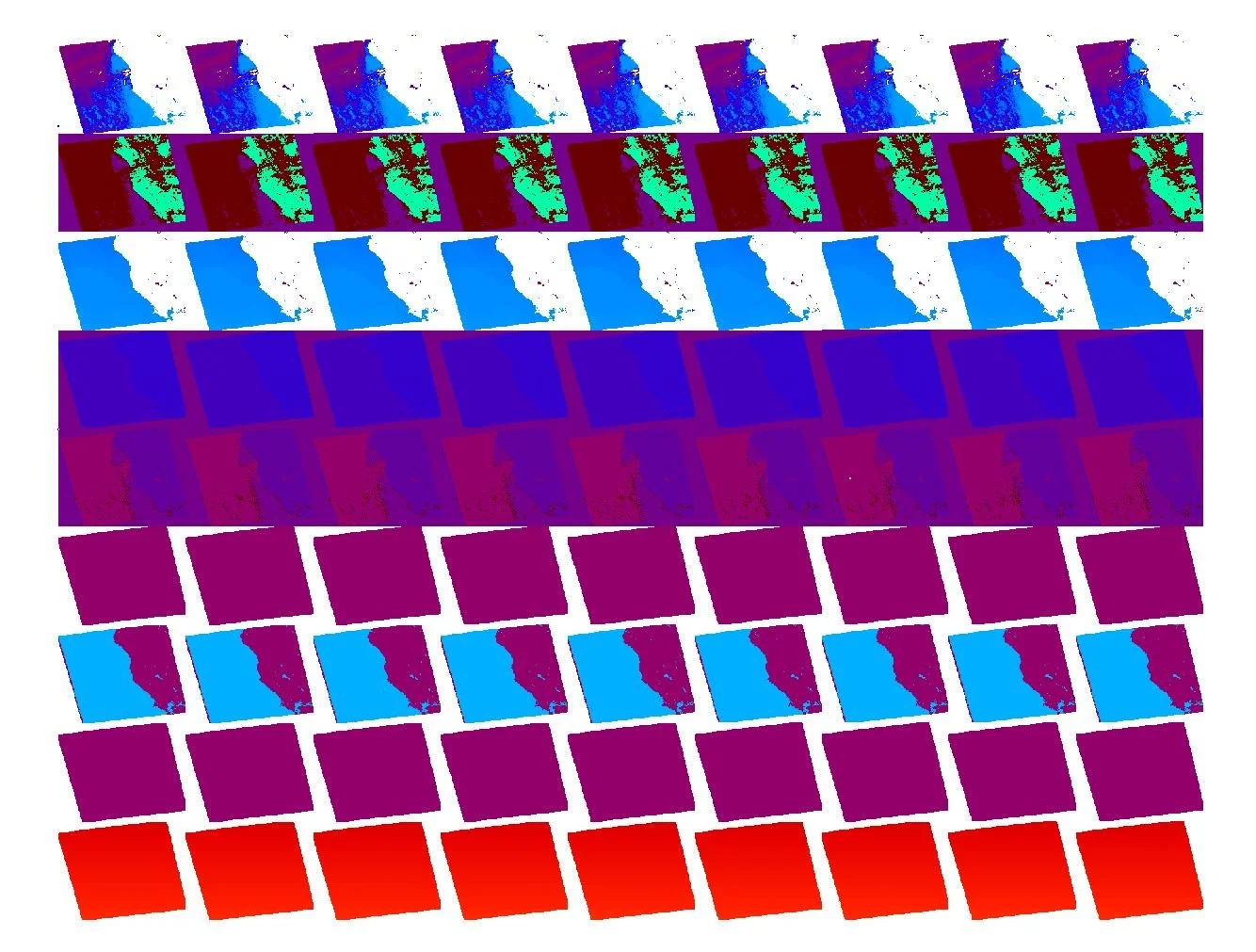
In Coast In Color, William Speiser and Jordan Benton present their collaboration showcasing coastal dynamics in Northern California. Their work observes these imprints of natural physical processes, captured and highlighted through photographic and computational media. Computer algorithms are used to interpret photographs and satellite images by isolating color to measure geophysical elements. The exhibition focuses on regions of ongoing study here at the Bodega Marine Lab.
Optical Flows, 2023
William Speiser
Ocean waves transport sand particles on and off the shore, building up and breaking down beaches. In this collection, several machine learning optical flow algorithms track the movements of procedurally generated particles attached to (mostly) pixels of water in videos taken along the study region.